
















The Allure of Risk and Reward
The psychology of casino gambling is deeply intertwined with the allure of risk versus reward. Many individuals are drawn to casinos by the thrill of potentially winning substantial sums of money, including exciting options like australia online casino , which enhance the overall experience. This attraction is often accentuated by the bright lights, vibrant sounds, and engaging atmosphere that casinos provide, creating an environment where risk-taking feels exhilarating. Psychologically, the excitement of risk makes the prospect of winning feel more rewarding, transforming mundane moments into adrenaline-pumping experiences.
Moreover, the concept of dopamine release in the brain plays a crucial role in this excitement. When individuals engage in gambling, they experience a surge of dopamine, a neurotransmitter associated with pleasure. Each win, no matter how small, triggers this pleasurable response, reinforcing the behavior and enticing gamblers to come back for more. The cycle of risk and reward becomes a powerful motivator, making the attraction to gambling almost irresistible for some.
Casinos are designed to enhance this sense of excitement. From the layout of the gaming floors to the use of color and sound, every aspect is crafted to maximize engagement. For example, the placement of slot machines in high-traffic areas ensures that players remain captivated by the action. This environment encourages customers to take risks, fueled by the hope of achieving a life-changing win, which further deepens their psychological connection to gambling as a whole.
The Role of Cognitive Biases in Gambling
Cognitive biases significantly influence gambling behavior, leading individuals to make irrational decisions. One of the most prominent biases is the illusion of control, where gamblers believe that they can influence the outcome of games that are, by nature, random. This belief can lead to increased gambling frequency and amounts wagered, as players convince themselves that they have a strategy or a “lucky charm” that will enhance their chances of winning. Understanding this bias provides insight into why some players may continue to gamble despite consistent losses.
Another common cognitive bias is the gambler’s fallacy, which is the belief that past events can influence future outcomes in games of chance. For example, if a player observes that a particular slot machine has not paid out in a while, they may believe it is “due” for a win. This misconception can lead to prolonged play on that machine, often resulting in significant losses. Such biases highlight the disconnect between rational thinking and emotional decision-making in gambling, which can exacerbate problematic gambling behaviors.
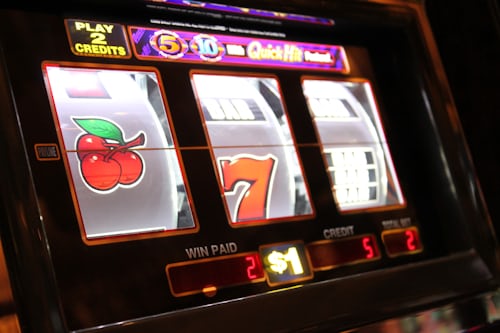
These cognitive biases also feed into the marketing strategies employed by casinos. By emphasizing past winner stories or presenting certain games as “hot,” casinos exploit these biases to draw players in. This manipulation not only attracts new customers but also encourages loyal gamblers to continue wagering, regardless of their actual chances of winning. Understanding cognitive biases is key to comprehending the psychological mechanisms at play in casino gambling.
The Social Aspect of Gambling
The social dynamics of gambling contribute significantly to its appeal, as many individuals view it as a communal activity. For some, visiting a casino is a way to connect with friends or family, enjoying the camaraderie that comes with sharing experiences in games. The social environment created by casinos fosters a sense of belonging, where people can celebrate wins together or commiserate over losses, reinforcing social bonds. This group dynamic can also make it easier for individuals to engage in gambling behavior they might otherwise avoid when alone.
Additionally, the competitive nature of gambling can be enticing. Players often enjoy the thrill of competing against others, whether at card tables or in slot tournaments. This competition heightens the excitement and can lead to increased wagering as individuals strive to outperform their peers. The presence of others amplifies the stakes, creating an atmosphere where the adrenaline rush of winning—or losing—becomes even more intense.
Moreover, the social reinforcement that occurs in these environments cannot be overlooked. When individuals see others winning, it can create a bandwagon effect, encouraging them to participate more actively. This collective enthusiasm not only increases individual gambling behavior but also helps to normalize the activity within social circles. As such, the social component of gambling significantly impacts its psychological appeal and can contribute to the development of habitual gambling behaviors.
The Concept of Addiction in Casino Gambling
Addiction is a crucial psychological factor in understanding casino gambling, as many individuals develop compulsive gambling habits. The combination of risk, reward, and cognitive biases can create a perfect storm for addiction. For some, the initial thrill of gambling may quickly escalate into a reliance on the activity for emotional regulation. This can lead to a cycle of chasing losses, where individuals continue to gamble in an attempt to recover lost funds, often resulting in deeper financial and emotional troubles.
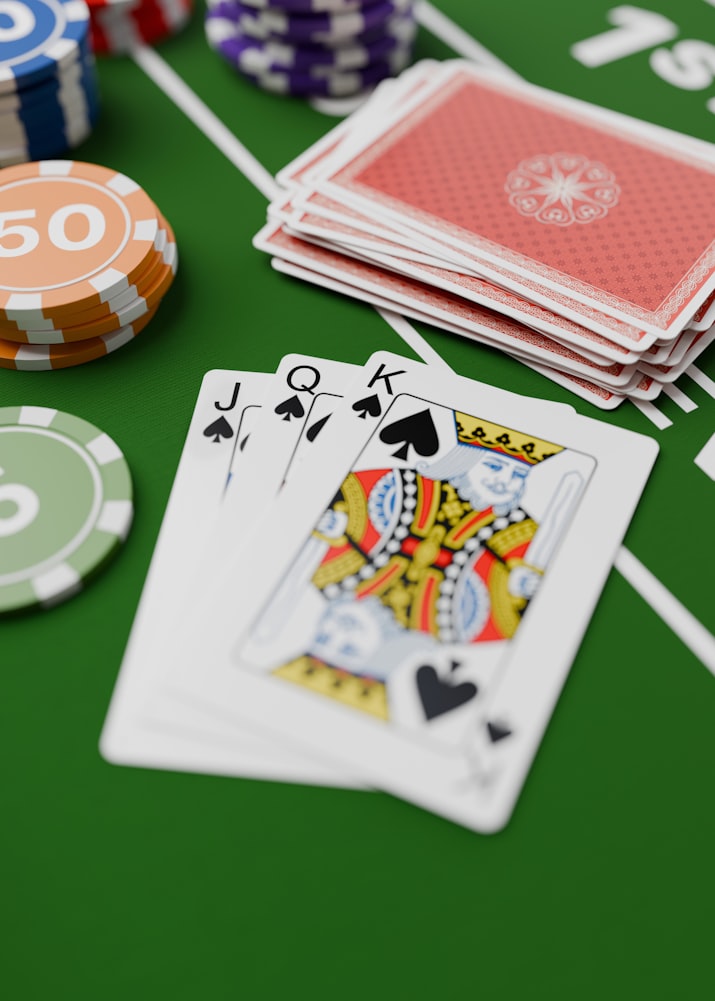
The features of casinos are also conducive to addiction. The continuous availability of gambling options, combined with the immersive atmosphere, makes it easy for individuals to lose track of time and money. Many gamblers enter a trance-like state while playing, further detaching them from reality and exacerbating their gambling problems. As the addiction develops, it can lead to significant consequences, both financially and socially, impacting relationships and overall well-being.
Treatment for gambling addiction often requires a multi-faceted approach, including therapy and support groups. Cognitive-behavioral therapy, in particular, has shown promise in helping individuals recognize and alter their thought patterns surrounding gambling. By addressing the psychological underpinnings of their behavior, individuals can work towards healthier relationships with gambling and avoid the destructive cycle of addiction that can arise in casino environments.
Understanding Online Gambling and Its Psychological Impact
The rise of online gambling has introduced a new layer to the psychological intricacies of gambling behavior. Online platforms offer 24/7 access to gambling opportunities from the comfort of home, which can lead to increased risk of addiction and compulsive behavior. This convenience may entice individuals who might not visit a physical casino, further blurring the lines between leisure and problematic gambling. The anonymity provided by online platforms can also exacerbate risk-taking behavior, as players feel less accountable for their actions.
Furthermore, the design of online gambling sites often incorporates elements that keep players engaged. Features such as gamification, personalized offers, and real-time betting can create an immersive experience that encourages prolonged play. The use of algorithms to provide targeted advertising, based on a player’s previous behavior, reinforces gambling habits and can lead to increased spending over time. Understanding these psychological triggers is essential for both players and regulators seeking to mitigate the impact of online gambling on mental health.
As society continues to adapt to the presence of online gambling, it becomes increasingly important to promote responsible gaming practices. Resources and education around the risks of online gambling must be prioritized to protect players from potential harm. Creating a balanced understanding of the psychology behind online gambling can empower individuals to make informed decisions and foster healthier gambling habits while enjoying the excitement of these digital platforms.
 English